
Keywords: Turntable & Rotating Platform
Where Are Stage Turntables Used? A Guide to Established Applications
A stage turntable — also known as a revolving stage or rotating platform — is one of the most dynamic and visually captivating pieces of stage machinery available today. While most people associate turntables with theatrical productions and live concerts, their applications extend far beyond the entertainment industry. From museums and retail spaces to corporate events and houses of worship, the stage turntable has become an indispensable tool for creating memorable experiences, improving functionality, and maximizing space utilization. This article explores the most well-established applications of turntables across various industries.
What is a Stage Turntable?
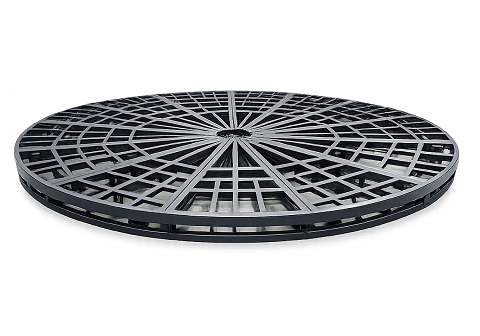
Before diving into its applications, let us briefly define what a stage turntable is. A turntable is a rotating platform that can spin clockwise, counterclockwise, or in both directions. It can be integrated into a stage floor, installed as a standalone unit, or even mounted on a lift mechanism for combined vertical and rotational movement. Turntables can be manually operated or powered by electric motors, with advanced systems offering variable speed control, programmable positioning, and synchronization with lighting and sound cues. Their versatility makes them suitable for a wide range of applications.
1. Theatrical and Performing Arts Venues
The most iconic use of a revolving stage is in theatre, where it has been a beloved tool for centuries. From Shakespeare’s Globe Theatre to modern Broadway productions, turntables have enabled seamless scene changes, dramatic character entrances, and breathtaking visual effects.
Scene Transitions
One of the primary benefits of a stage turntable in theatre is the ability to execute smooth, uninterrupted scene changes. Instead of lowering curtains or blacking out the stage while crew members rush to move scenery, a revolving stage can simply rotate to reveal a pre-set scene. This keeps the audience fully immersed in the performance and maintains dramatic momentum.
Dramatic Entrances and Exits
Turntables allow performers to appear or disappear in spectacular fashion. An actor can rise from below stage on a turntable platform, spin dramatically into view, or exit while the stage continues to revolve around them. This adds an element of surprise and magic that captivates audiences.
Multi-Set Productions
For productions with multiple settings—such as a play that alternates between a living room, a garden, and a castle—a turntable can be divided into segments, each featuring a different set. With each rotation, the audience is transported to a new location without breaking the flow of the story.
Opera and Ballet
Opera houses and ballet companies frequently use turntables to create grandiose, sweeping scenes. The revolving stage allows for complex choreography involving large ensembles, moving sets, and intricate lighting effects that would be impossible with static staging.
2. Concerts and Live Music Events
In the world of live music, the stage turntable has become a show-stopping feature that elevates performances to new heights.
Rotating Band Platforms
Many touring artists use turntables to create dramatic reveals. A band can start a show hidden behind a massive set piece, which then rotates to reveal the musicians in full view. Alternatively, a turntable can rotate a piano or drum riser to give different sections of the audience a closer look at the performers.
Multi-Stage Configurations
For large arena concerts, turntables are often used to rotate between different performance areas. One side of the turntable might feature the main band setup, while the opposite side holds an acoustic set or a different configuration. This allows for quick transitions between acts or set list segments without delays.
DJ Booths and Electronic Music
Electronic music festivals and club events frequently incorporate rotating DJ booths. A turntable can spin the DJ and their equipment, creating an immersive 360-degree experience for the audience. This is particularly effective in circular venues where the crowd surrounds the stage.
3. Museums and Exhibition Spaces
Museums and galleries are increasingly adopting stage turntables to create interactive and engaging exhibits.
Rotating Art Displays
A revolving platform allows valuable artifacts, sculptures, or artworks to be viewed from every angle without requiring visitors to walk around the display. This is especially useful for fragile items that need to be kept behind protective glass. The slow, controlled rotation ensures a complete viewing experience while minimizing the risk of damage.
Interactive Exhibits
Some museums use turntables as part of interactive exhibits where visitors can control the rotation of a display. This hands-on engagement enhances learning and makes the experience more memorable.
Showcasing Automobiles and Machinery
Automotive museums frequently use turntables to display classic cars, motorcycles, and engines. The rotating platform allows visitors to admire every detail of the vehicle’s design and engineering without the need for physical interaction.
4. Retail and Commercial Spaces
Retailers are always looking for innovative ways to capture customer attention and differentiate their brands. A stage turntable can be a powerful tool in this regard.
Product Displays
High-end retailers use turntables to showcase flagship products—such as luxury watches, jewelry, or designer handbags. The rotating display ensures that every angle of the product is visible to customers, enhancing their appreciation of its craftsmanship and details.
Window Displays
In bustling shopping districts, a rotating window display can stop passersby in their tracks. A turntable adds motion to the display, making it more dynamic and eye-catching than a static arrangement.
Pop-Up Events and Launches
For product launches or promotional events, a turntable can serve as a central showpiece. Whether it is a new smartphone, a car, or a fashion collection, the rotating platform creates a sense of occasion and ceremony that elevates the brand experience.
5. Corporate Events and Conferences
Corporate events are no longer just about presentations—they are about creating experiences. A stage turntable can add a touch of spectacle to any corporate gathering.
Product Reveals
When unveiling a new product or service, a turntable can be used to dramatically reveal the item from behind a curtain or screen. The slow rotation builds anticipation and ensures every attendee gets a perfect view.
Award Ceremonies
Rotating stages can be used during award ceremonies to showcase trophies, prizes, or even the winners themselves as they are presented to the audience.
Keynote Presentations
For conferences, a turntable can rotate a speaker or panel to face different sections of a large auditorium, ensuring that everyone feels included and engaged.
6. Houses of Worship
Religious institutions are increasingly embracing technology to enhance worship experiences, and the stage turntable is no exception.
Dramatic Displays
During special services or religious festivals, a turntable can be used to dramatically reveal religious artifacts, icons, or decorations. This adds a layer of reverence and spectacle to the proceedings.
Musical Performances
Many churches and temples host concerts, choir performances, and theatrical productions. A turntable can facilitate smooth transitions between different performance groups or set pieces, keeping the service flowing seamlessly.
Multi-Purpose Sanctuaries
For houses of worship that serve as community centers during the week, a turntable allows for quick reconfiguration between worship services, community events, and social gatherings.
7. Film and Television Production
The film and television industry has long relied on turntables to create convincing visual effects.
Set Rotation
Instead of building multiple sets, filmmakers can construct several scenes on a single large turntable. By rotating the platform, they can shoot different scenes without dismantling and rebuilding, saving time and money.
Vehicle and Product Shoots
Turntables are used extensively in commercial shoots to rotate vehicles, products, or models, capturing perfect 360-degree footage for advertising campaigns.
Special Effects
For action sequences or fantasy scenes, turntables can be used to simulate movement, rotation, or disorientation in a controlled environment.
8. Architectural and Interior Design
Beyond the entertainment and commercial sectors, revolving platforms are finding their way into architectural and interior design projects.
Rotating Rooms
In luxury homes and hotels, turntables are sometimes used to create rotating rooms or furniture. A turntable bed, for example, can rotate to offer different views of the room or maximize natural light.
Displays and Art Installations
High-end restaurants, hotels, and corporate lobbies often feature rotating art installations or sculpture displays. The gentle motion adds a sense of elegance and sophistication to the space.
Exhibition Centers
Trade shows and exhibition centers frequently use turntables to rotate large exhibits or product displays, ensuring maximum visibility for attendees.
Conclusion
The stage turntable has long been a cornerstone of the entertainment and events industries, proving its value across theatres, concert venues, museums, retail spaces, corporate events, houses of worship, film sets, and architectural design. Its ability to captivate audiences, streamline operations, and enhance visual appeal makes it an indispensable tool for any venue or event professional. Whether you are producing a Broadway musical, launching a luxury product, or designing a museum exhibit, a turntable can elevate your project to new heights.
📢 Ready to Elevate Your Venue or Event?
- Planning a theatre production or concert?
- Designing a museum exhibit or retail display?
- Organizing a corporate event or product launch?
- Have a specific challenge?
Reach out to our engineering team—we specialize in custom turntable solutions tailored to your unique needs.